One ingredient. Nothing hiding.
No syrups, no flavorings, no added sweeteners. Fake honey is a real problem, so we keep our label down to one word you can trust.
Ingredients: honey. That’s the whole list.
Rare raw honey from Borneo’s tiny stingless bees. It’s Manuka’s rainforest cousin, with a bright little zing that makes a daily spoonful something to look forward to.
You know the scene. Cold oats. Untouched yogurt. “I don’t like this one.”
Now picture it with a jar of Golden Canopy on the table. One drizzle and plain yogurt turns into something they want to taste. They’ll argue about whether it’s sweet or sour. (It’s both.) Our bet? They’ll give it a name. (We’re guessing “the lemon honey.”)
Same breakfast. One small thing they look forward to.
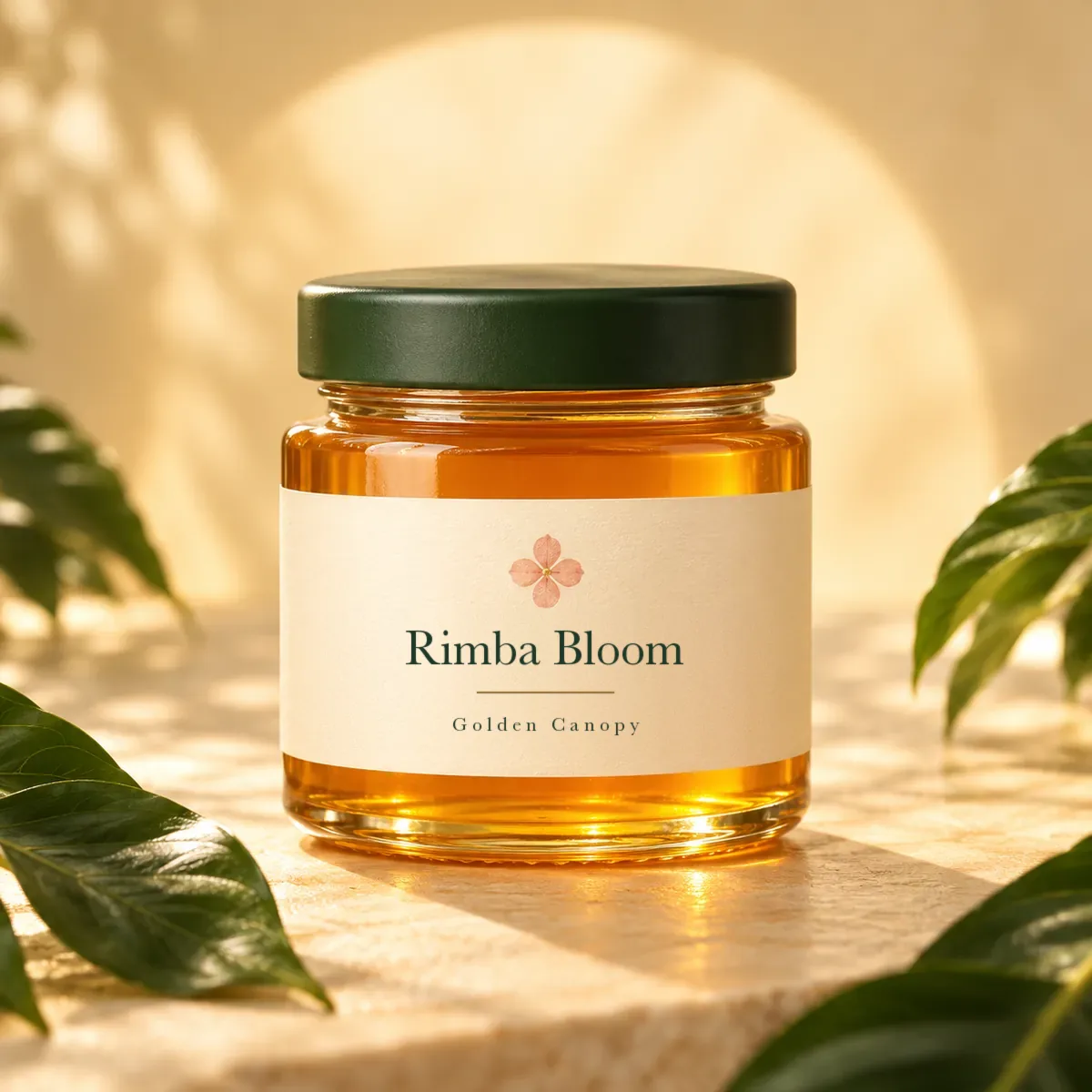
Meet Golden Canopy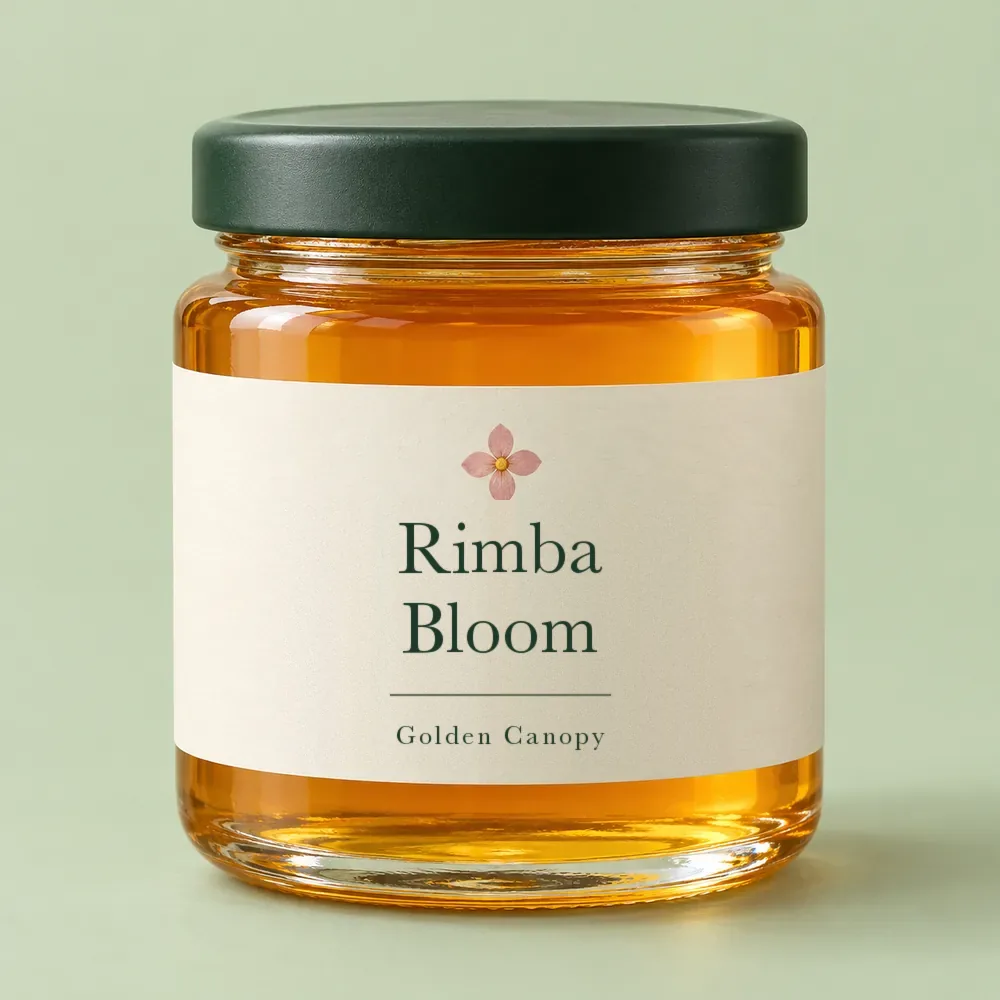
Stingless bees don’t make honey in big wax combs. They tuck it into tiny pots made of plant resin, deep inside rainforest trees, and a whole colony often makes less than a pound a year. A honeybee hive makes 40 to 60.
That’s why kelulut is rare, and why every spoonful in your kitchen came from a rainforest most people will never see.
A spoonful each at breakfast. A small habit that’s yours together.

Our hives are kept in the rainforests of Sabah, Malaysian Borneo, where hundreds of flowering plants and resin-rich trees give each species’ honey its own character.
Meet Golden CanopyNo syrups, no flavorings, no added sweeteners. Fake honey is a real problem, so we keep our label down to one word you can trust.
Every lid carries a batch code and harvest month, so you know exactly which harvest is on your table.
We’ll tell you what it tastes like, what researchers have found, and how to store it. No miracle promises. You’ve heard enough of those.
Concept: ingredient and traceability statements require confirmation by the brand before publication.
Here’s what published studies have found so far, and we’ll always tell you which findings are lab results and which are proven, because you’d find out anyway.
Honey from Heterotrigona itama, the bee behind our Golden Canopy, tested higher in phenolics, flavonoids and antioxidant activity than regular honeybee honey.
Journal of Food Quality, 2022 ↗Up to 85% of the sugar in stingless bee honey is trehalulose, a rare sugar with a low glycemic index. Trehalulose itself doesn’t cause tooth decay.
Scientific Reports, 2020 ↗The phenolic compounds in kelulut change with the plants the bees visit, one reason rainforest honey from different species tastes and tests differently.
Johor kelulut study, 2020 (PMC) ↗In a 2013 lab comparison of five Malaysian honeys, kelulut showed the strongest antibacterial activity in the dish. An early lab finding, not a health promise.
BMC Complementary & Alternative Medicine, 2013 ↗| Attribute | Kelulut | Manuka |
|---|---|---|
| Made by | Stingless bees | Honeybees |
| From | Many rainforest plants in Borneo | One shrub, mānuka, in New Zealand |
| Stands out for | Trehalulose and plant polyphenols | Methylglyoxal (MGO) |
| Graded by | Batch lab results | UMF™ or MGO rating |
| Taste | Sweet, then bright and sour | Rich, earthy, sweet |
| Texture | Thin, pourable | Thick, creamy |
What we don’t claim: these are lab and chemistry findings, not promises. Kelulut is a food, not a medicine, and isn’t intended to diagnose, treat, cure or prevent any disease. Like all honey, it isn’t for babies under 12 months.
Golden Canopy is the mildest way into kelulut. When your family is ready for more, three more honeys are waiting.
Bright and lemony, with soft caramel notes and a gentle tang. It’s the mildest way into kelulut, which makes it the easiest first jar for little taste buds.
The 10-second test: drizzle a little over plain yogurt and hand them a spoon. Watch their face: sweet… then zing.
Feeding a family of four? One jar is about a week of daily spoonfuls. A family-size jar and subscribe-and-save are coming soon.Concept: sizes and pricing to be confirmed by the brand
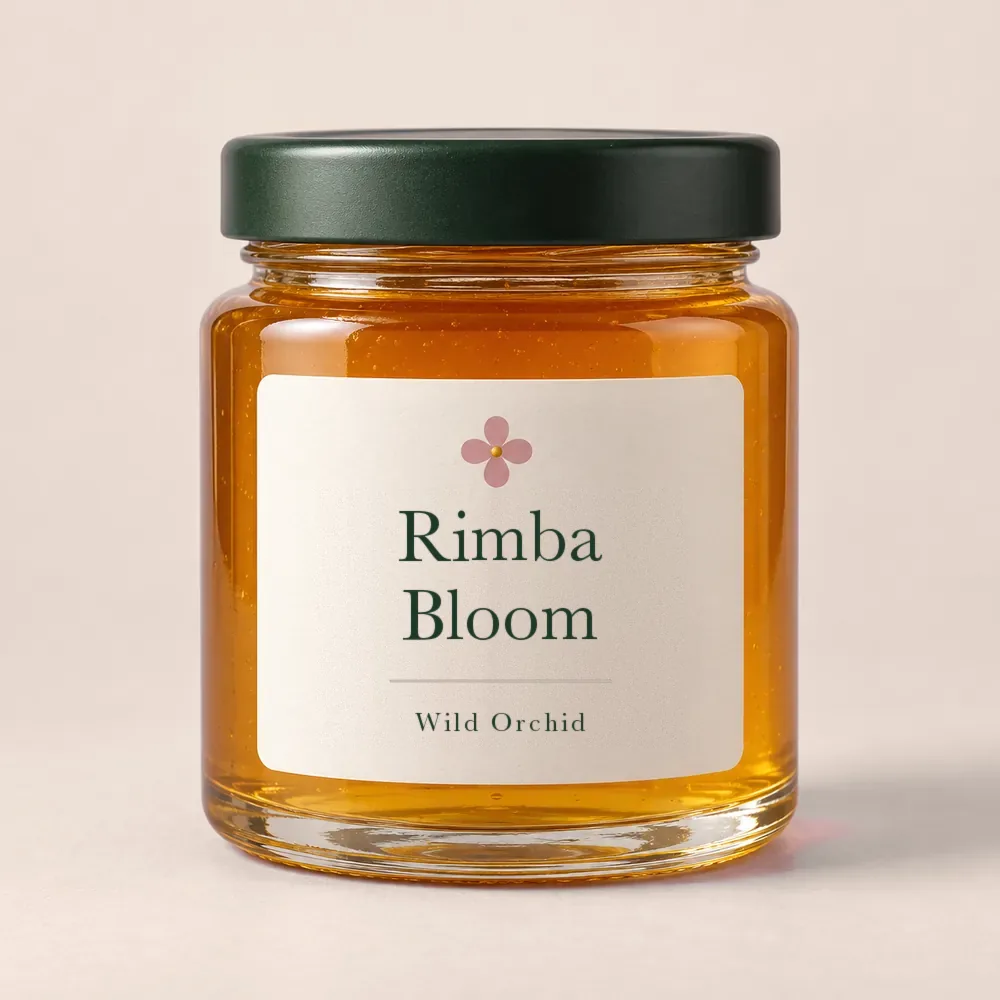
The gentlest of the four. Rounded and mellow, from one of Southeast Asia’s largest stingless bee species. A good pick if you’re not sure about sour.
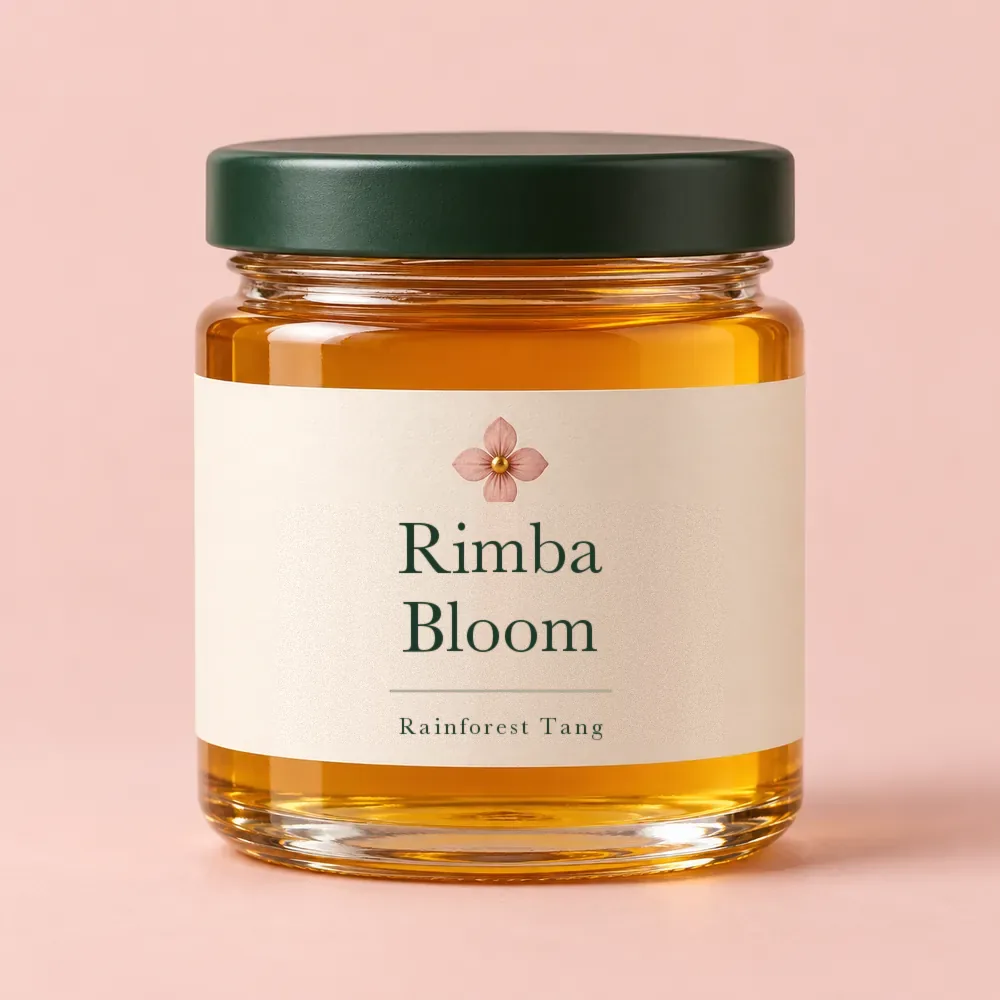
The sourest and most lively. Made by tiny Tetragonula bees, it’s the one kombucha fans fall for. Stir it into sparkling water.
The rare one. Dark, deep and resinous, made in very small batches. For people who already love kelulut, or someone you want to impress.
Some won’t love it on the first try, and that’s normal with any new flavor. Pair a little with something they already love, and give it a few tries: kids often need several tastes before a new flavor clicks. And if your family doesn’t love your first jar, our taste promise means we’ll make it right. Concept: taste-promise terms to be confirmed by the brand
Not yet. Honey should never be given to babies under 12 months. Save their first taste for after that first birthday.
We won’t promise that. It’s a food to enjoy, not a remedy, and we’d rather earn your trust than sell you a hope.
However it fits your morning: straight from the spoon, swirled into yogurt, drizzled over oats, or stirred into warm (not hot) water. One teaspoon each is plenty. It’s still honey, so count it as part of the day’s natural sugar.
That means it’s alive. Kelulut ferments naturally in the hive. Keep it in the fridge once it’s open, with the lid on tight.
They’re cousins, not twins. Manuka is made by honeybees from one New Zealand shrub and is graded by MGO. Kelulut is made by stingless bees from many rainforest plants and stands out for trehalulose and plant polyphenols. It also tastes completely different: sweet, then sour.
Our honey comes from the rainforests of Sabah, Malaysian Borneo, and ships free across the US.
“Lemon honey”? “Sour candy honey”? We want to hear it. Tell us what you served it with, and the face they made.
Concept: real customer stories to be collected before publishing. No stories have been invented.
Before writing a word, we looked at what buyers ask, doubt and complain about. Every section above answers one of these.
Start with Golden Canopy. Grab the yogurt, hand out the spoons, and make it your family’s new morning ritual.
Find your family’s first jar